Sunday, February 3, 2019

Steamed Ribs With Black Beans... And Miso Too


If you are a dim sum fan, most likely you've had steamed ribs with black beans. But why have a restaurant small dish of it (cause there's never enough to go around) when you can make a large plate to feed the entire family, and at any meal of the day. I also have a quick miso-marinated version for a super delish and easy way to get addictive ribs on the table. The fun and also frustrating part is cleaning the meat off the little bones. Taught steamed ribs at my seniors' cooking class alongside Pork Rib Soup with Pickled Mustard Greens. Two pork recipes...


... As a prelude homage to Chinese New Year cause it's the Year of The Pig!


Testing the steamed ribs recipe from home the night before my seniors' Chinese cooking class. 


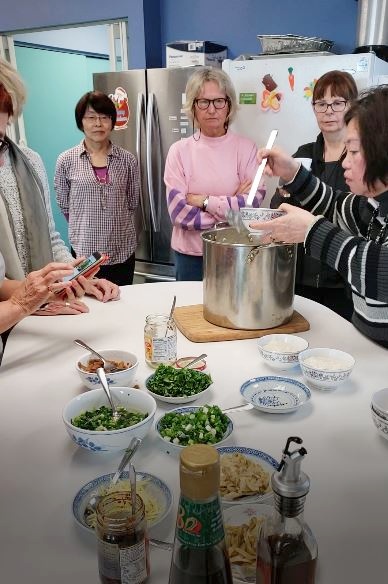
 The spread along with the soup ingredients in class.
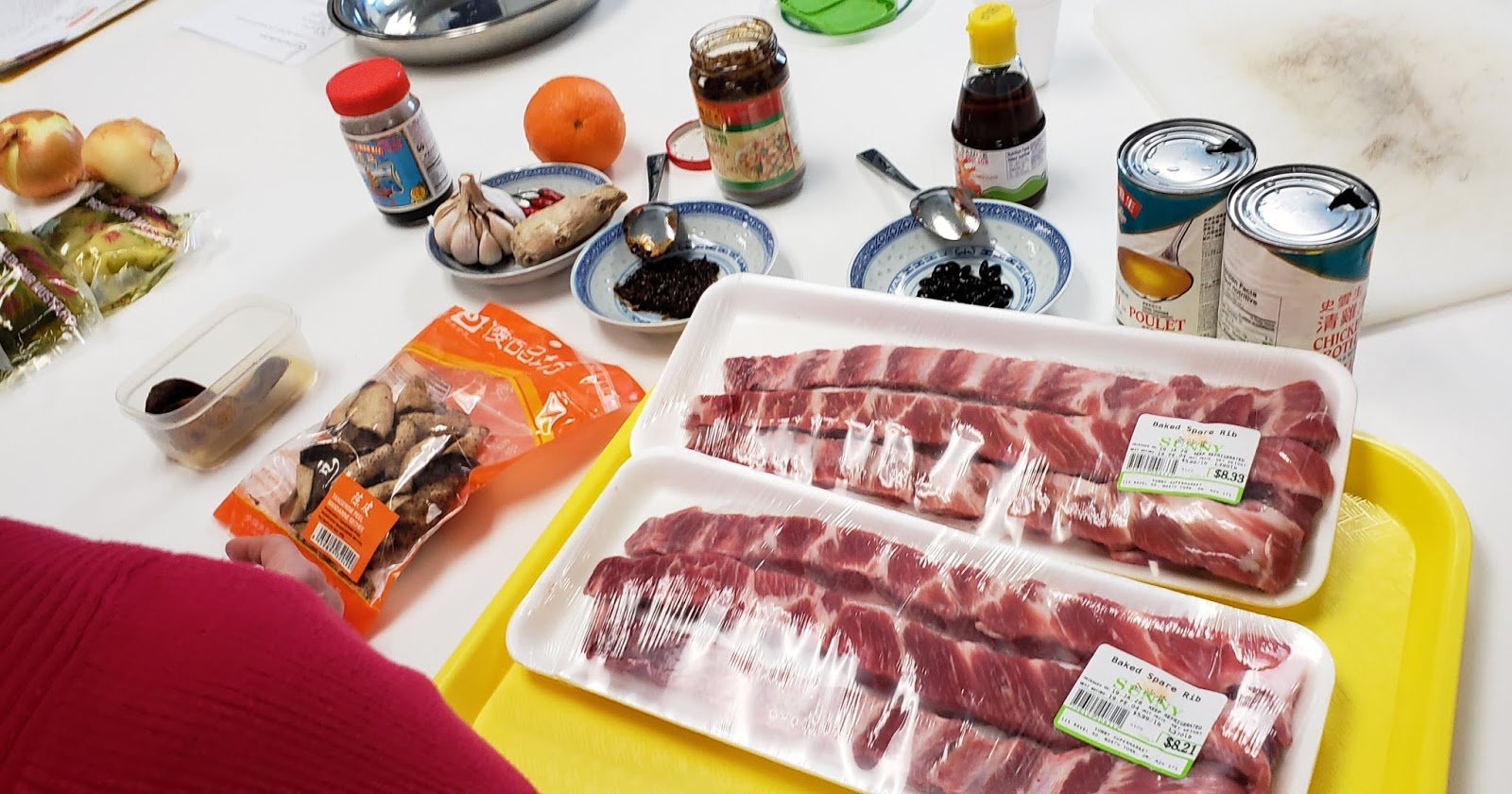
Some use hydrated tangerine peel but I like to use fresh orange peel. 

Steamed Ribs in Black Bean Sauce 
Serves 4 

1-1/2 lb. pork side or back riblets, cut into individual mini bone sections 

Marinade: 
1 Tbsp. light soy sauce 
1 tsp. sesame oil 
2 Tbsp. Chinese cooking wine 
1-1/2 Tbsp. sugar 
Dashes of ground white pepper 
1/2 tsp. chicken seasoning 
1 Tbsp. cornstarch 
3 Tbsp. fermented black bean sauce (brand Lee Kum Kee) 
6 cloves garlic, minced 
3 slices ginger, thinly slivered 
1 to 2 red chilies, sliced (optional) 
1 small piece fresh orange peel, thinly sliced then chopped (optional) 
2 green onions, green parts only, chopped 

Marinate ribs with the marinate ingredients, adding cornstarch last for 20 minutes in steaming dish. Pour out excess marinade. 

Marinating in a bit of cornstarch helps smooth out the gritty taste of pork.

Prepping the aromatics for the ribs- garlic, ginger, green onions, red chilies and orange peel.

Note the pickled mustard greens in the bowl chopped for the soup.

Mix black bean sauce, garlic, ginger, chilies and orange peel (both optional) with the ribs. Sprinkle all over with green onions. Steam on rack in skillet, covered with 3 inches water on high heat for 15 minutes or until done. Serve hot.

One plate with chilies and orange peel, the other without.


I love this savoury and tangy pork ribs soup with pickled mustard greens which also appears on Vietnamese tables. It is a great starter to an Asian meal whetting the palate with the sour notes of tomato and pickle-ly mustard greens and with the finishing topping of aromatic sautéed green onions. My family loves this sour soup, nibbling clean the meat off the little riblets and I'm sure it'll be a hit with yours!

Marinating ribs in fish sauce, sugar and soy sauce overnight in a bag for my cooking class.

Pork Rib Soup with Pickled Mustard Greens

Such rave reviews from the seniors. They absolutely adored the tanginess! Double thumbs up!


I love sharing and introducing useful kitchen gadgets, like this hot plate-lifting contraption.

Such a useful tool to remove hot plates from the steamer.

Steam about 15 minutes and ready to eat!


My mom taught me this quick and dirty ribs recipe inspired by umami Japanese miso.

Steamed Miso-Marinated Pork Ribs
Serves 4

Marinate for an hour, 1-1/2 lb. chopped pork riblets in 3 Tbsp. miso (I use red miso), 2 Tbsp. mirin, 2 Tbsp. sake/Chinese cooking wine, 1 tsp. light soy sauce, 2 minced garlic cloves and 2 Tbsp. chopped green onions on steaming plate.

Steam on a rack in a covered skillet with 3 inches water on high heat for 15 minutes or until done. Serve hot.


I shared the dish on a social post and my childhood school mate and fitness pal Kevin Chan picked it up. He made a version for his family using white miso and sliced hydrated dried shiitake mushrooms. Looks comforting and divine.

Photo Credit: Kevin Chan

Full Recipe:

Steamed Ribs in Black Bean Sauce
Serves 4

1-1/2 lb. pork side or back riblets, cut into individual mini bone sections

Marinade:
1 Tbsp. light soy sauce
1 tsp. sesame oil
2 Tbsp. Chinese cooking wine
1-1/2 Tbsp. sugar
Dashes of ground white pepper
1/2 tsp. chicken seasoning
1 Tbsp. cornstarch
3 Tbsp. fermented black bean sauce (brand Lee Kum Kee)
6 cloves garlic, minced
3 slices ginger, thinly slivered
1 to 2 red chilies, sliced (optional)
1 small piece fresh orange peel, thinly sliced then chopped (optional)
2 green onions, green parts only, chopped

Marinate ribs with the marinate ingredients, adding cornstarch last for 20 minutes in steaming dish. Pour out excess marinade. Mix black bean sauce, garlic, ginger, chilies and orange peel (both optional) with the ribs. Sprinkle all over with green onions. Steam on rack in skillet, covered with 3 inches water on high heat for 15 minutes or until done. Serve hot.


Monday, January 28, 2019

Chinese Cooking Class... Soy Sauce Differences in Recipes


I get the question a lot. How do I know which soy sauce to use when I'm cooking? I can appreciate the confusement. There are so many types on the market. Just walk down the bottled condiment aisle in an Asian supermarket with their vast multi-coloured labels and light, less sodium, dark, mushroom dark, double dark claims. It's enough to throw your hands in the air, pack it in, and opt for Chinese take-out. While there are many brands with their distinct flavour nuances, here are some universal key take-aways for choosing soy sauce to best optimize your Asian dish. It doesn't have to be daunting.


A staple in Chinese cooking for 3000 years, soy sauce is made by fermenting four ingredients: Soybeans (90%), Wheat Flour (10%), Water and Salt. The best are fermented naturally in open air and sun. Others produced through a factory. 

Soy sauce differ in three ways: Appearance, Taste and Texture. Each Asian country of origin produces a range of this condiment to best suit their cuisines.

If a Chinese recipe calls for "soy sauce" without any further detail, you can assume it means light soy sauce. My all-time favourite soy sauce is heritage brand Pearl River Bridge- one I grew up with in my parents' household. 


Light or Thin: This is the first soybean press or the tops of the brew in earthenware crocks. It is the most saltiest, thin and clear. Meant to enhance flavours when cooking- marinating, stir frying and dipping, it is the most common cooking sauce in Chinese cuisine. This is not the same as less sodium. When we hear light we tend to think less salty, but in fact the opposite is true. 

Dark or Black: Chinese "dark" soys are darker in colour and thicker in texture, but tend to be lighter in saltiness. This comes from the bottom of earthenware crocks and generally fermented for a longer period of time, often with added sugar or molasses and cornstarch, giving it a sweet-salty flavour and viscous texture. Used solely for cooking, it is often added at the last stages to season and colour sauces. There is a Mushroom Dark that has a deep mushroom flavour and gives additional sweetness. Double Dark/Black Soy Sauce is even thicker, darker, and sweeter than dark soy. It's also used for adding colour and rich, sweet flavour. A little goes a long way.

Soy Sauce: aka regular- a middle ground between light and dark in terms of colour, saltiness and texture. Also used the same way as light soy sauce in cooking. It comes down to preference in taste and colour. Kung Fu brand is a good one with a hint of sweetness.

"Less Sodium" Soy Sauce is made the same way as regular soy sauce, but with a percentage of salt removed post-brewing such as the label "40 percent less sodium". You can expect a lighter salty flavour and can be used the same way as light soy sauce.

Soy Sauce For Seafood enhances the natural essence of seafood as a balance salty sweet sauce over steamed whole fish, or a dip for cooked shrimps. In Cantonese, we call the ideal flavour "seen teem"- seafood sweetness. This condiment is also wonderful over plain tofu dishes and steamed rice noodles such as cheurng fun.

When Japan adopted soy sauce, the recipe was modified to use a 50 to 50% ratio of soybeans and wheat, resulting in a sweeter, less salty, less harsh flavour. Japanese-style soy sauces tend to be clearer and thinner than Chinese sauces called shoyu.

Tamari: Similar to traditional Chinese soy sauce, this is made with soybeans and little to no wheat. 
If you have a wheat allergy, tamari can be a good gluten-free alternative. With a higher soybean content, tamari has a stronger flavour and is ideally used as a dipping sauce. 

Soy sauce's two main enemies are light and heat, so be sure to store it in a dark place away from a heat source. Once opened, it can keep in room temp. for six months.

San Bei Ji highlights both light and dark soy sauce sauces.

I am pleased to return to teach Chinese cooking classes at the St.Stephen's Community Centre in Chinatown with seniors for the winter term. It was wonderful to see the majority were returning learners- another opportunity to engage, cook and learn from each other for two months. It will be about comfort foods to warm our insides from this frigid cold weather and to look forward to some delicious dishes giving happy nods to two favourable occasions in February- namely Chinese New Year and Valentine's Day :D.

Presenting the differences in soy sauce as a request from one of the learners, a popular comfort dish San Bei Ji- Three Cup Chicken recipe followed. This is touted as a quintessential Taiwanese home-style dish. Three Cup Chicken's name comes from its three equal parts measurement of soy sauce (light or regular), sesame oil and cooking rice wine. The signature savoury braise gets its rich flavours from the loaded garlic cloves, ginger and fresh Thai basil.

Sleeves rolled up, chicken being prepared.

The lovely and fragrant mix of aromatics!

Smashing two handfuls of peeled garlic for this dish to feed a crowd.

A humble side of stir-fried Taiwanese cabbage aka Korean or hat cabbage to compliment.


Stir-Fried Cabbage with Dried Shrimps
Serves 4

1 Tbsp. oil
1 to 1-1/2 Tbsp. dried tiny shrimps
¼ medium Taiwanese cabbage, cut into small wedges, then two-bite pieces
3 Tbsp. cooking wine
Salt and ground white pepper to taste

Heat oil in skillet on medium-high heat; add shrimps. Let sizzle for 10 seconds then add cabbage. Stir-fry for two minutes until slightly soft. Add cooking wine and stir-fry for another two minutes. Add salt and pepper. Serve hot.


Love the toss fry action over the stove with these lovely ladies.

Light soy sauce is part of the braise, and a bit of dark soy sauce added for rich colour. 

Waiting until the quick braise is done before folding in the pretty green Thai basil.

A combination of halved bone-in chicken drumsticks, and skinless boneless chicken leg meat pieces to show this dish can be done with a myriad of chicken cuts. Try with chicken wings too.

Perfectly served over steamed rice and with some of that savoury sweet sauce too.

Home cooking San Bei Ji with my family. See step-by-step recipe.

I like to cook with bone-in chicken.

Ga-gorgeous and the aroma-- sweet savoury and garlicky with hints of anise basil fills the kitchen! 
Chicken, juicy succulent delicious in its potent, salty-sweet savoury braised sauce.

My family dinner table with pan-fried dumplings, stir-fried snow peas and burdock salad. 

Here is a peek into my first winter culinary session back at the community centre. A great way to kick start our return to classes on a cold morning was with two Chinese breakfasty brunch ideas- fish congee, prepared steamed rice rolls and sauteed snow peas with garlic to round things out. This yummy healthy veggies are charged at a premium in Chinese restaurants. Easily make a bountiful dish at home with a few simple guidelines. See below.

You can buy rice rolls in packages, plain or with dried shrimps.

Sautéed Snow Pea Leaves and Garlic
Serves 4

1 Tbsp. oil
1/2 lb. snow pea leaves
2 cloves garlic, chopped
½ cup chicken broth

Heat the oil in a skillet on medium-high heat. Toss in the pea shoots. Stir and cook until starting to wilt. Use your spatula/cooking spoon to push the leaves away to create a centre well. Add garlic. Let sizzle and continue to cook by mixing all the shoots together with the garlic; add 1/2 cup hot chicken broth, cover and cook for five minutes until the stems are soft to the pinch. Remove onto a serving bowl or plate.


Condiments and garnishes await the food!


Soy sauce for seafood is a delicious complement to serve with steamed rice rolls. It gives a balanced sweet and salty flavour that is super divine on flavourless rolls. That deliciousness is further enhanced with a topping easily made of chopped green onions drizzled over top with piping hot oil. A dollop along with the sweeter soy sauce and a bit of hot sauce transports you to rice roll heaven!


Three Cup Chicken (San Bei Ji)
Serves 4 to 6

1/3 cup sesame oil
1 (2-inch) piece fresh ginger, peeled and sliced into 8 to 10 thick slices
12 garlic cloves, peeled and smashed
4 green onions, cut into 1-inch pieces
2 red chilies, sliced (optional)
2 lb. bone-in chicken legs, thighs and/or wings, or use boneless chicken, cut into roughly 2-inch pieces (see below)
1/3 cup cooking wine
1/3 cup light soy sauce
½ Tbsp. dark soy sauce
1 to 2 Tbsp. sugar
1 bunch fresh Thai basil, leaves plucked 


For Bone-In Chicken: The Chinese meat cleaver is the "woman" for the job of hacking! Just make sure it's sharp. I like to use leg quarters, so first cut the joint where drumstick and thigh meet. Then, cut the drumstick in half and the thigh in quarters; it may take a couple of good whacks to get through the bones, and if you miss the initial cut the next chop, make sure you remove any bone fragments before cooking.

Heat 2 Tbsp. sesame oil in a wok/skillet over medium-high heat; stir-fry the ginger, garlic, onions and chilies if using and cook until fragrant about one minute. Add remaining sesame oil and let heat to simmering.

Add chicken pieces and lightly brown, stirring occasionally for two to three minutes. Pour in the rice wine and soy sauce and bring to a boil (Add 1/2 Tbsp. dark soy sauce to give the dish a deeper richer brown colour).

Reduce heat to a simmer and cook, uncovered, until the chicken pieces are cooked through, and the sauce has slightly reduced about 15 minutes. Stir in the sugar. Turn off heat and stir in the basil leaves. Serve immediately.


Monday, January 21, 2019

Vietnamese Sticky Fish Sauce Chicken Wings...


Fish sauce chicken wings is on every Vietnamese restaurant menu but never gave them a whirl. Even though I can imagine the texture and flavours being out of this world, I just opt for other appetizers such as cha gio or goi cuon. It wasn't until my oldest son pointed out this divinity at a Richmond Hill Vietnamese joint, where he and his dad enjoyed with friends after a soccer practice, that I ordered and tried it myself- finally. Ooooohhhh Myyyyy!!! The sweet umami fish sauce sticky yet crispy nature of the wings' lightly battered skin was incredible, yielding to full-on flavour moist tender chicken meatiness underneath. As I learned, wings get treated to several hours fish sauce-sugar marination before being battered for maximum flavour penetration. Coming across Rasa Malaysia's version of Pok Pok's legendary chicken wings, I knew this was the perfect starting point. It is this single dish that launched the original Pok Pok Thai-inspired restaurant in Portland Oregon to it's notoriety. I would love to try them one day in their various US locations, however I am more than happy to make them at home for now. Seriously very easy to do. Marinate. Batter. Deep-Fry. Drizzle with sauce. Serve. Happiness all around. 

It was a belated birthday celebration weekend for my husband, and I couldn't wait to create a home-cooked Vietnamese dinner offering his favourites like Hot and Soup Soup (Canh Chua) and DIY Shrimp and Pork Salad Rolls and Taro Coconut Tapioca Soup for dessert. My best friend and her family came over to join in the festivity, porting a beautiful chocolate cake too! We were in for a sensory feast.

Vietnamese Sticky Fish Sauce Chicken Wings

I can't say enough about the use of the beautiful vibrant fresh bouquet of herbs. The unique smells and taste of each complementing the very dishes that build the foundation of Vietnamese cuisine. When it's cold and frigid outdoors, this lush bounty surely welcomes a bit of spring indoors.


And it was indeed that kind of brrrr of a weekend! Our first big snow fall and plummeting temps this year.


Flip the bag over every half hour to ensure even marination.

Vietnamese Sticky Fish Sauce Chicken Wings
 (adapted by Rasa Malaysia)

Serves 4 to 6

1/4 cup fish sauce
1/4 cup sugar
5 crushed garlic cloves
1-1/2 lbs. chicken wings, drumettes separated from attached wings and tips
2 Tbsp. oil plus more for frying
1/3 cup cornstarch
3 Tbsp. potato starch 

Sticky Sauce:
3 Tbsp. fish sauce
3 Tbsp. sugar
3 minced garlic cloves
garnish with chopped red chilies and lime wedges

In a bowl, whisk the fish sauce, sugar and crushed garlic. Add the wings and toss to coat. Refrigerate for three hours and toss occasionally. Or place all in sealed plastic bag, and flip over several times.

In a pot, heat 2 inches of oil to 350°. Oil is ready when skewer inserted into oil, emits shooting tiny bubbles up its sides. Pat the wings dry on paper towels; discard the marinade. Place the corn and potato starches in a shallow bowl, add the wings and turn to coat, shaking off excess. 

Combining cornstarch with potato starch creates a light crispy batter.

Fry the wings in batches until golden and cooked through ~ 10 minutes. Drain on paper towels and transfer to a bowl.

In a small saucepan, simmer the sticky sauce fish sauce and sugar over moderate heat until syrupy two minutes. Add the chopped garlic and simmer for 30 seconds. Drizzle over wings or toss altogether until well coated. Serve with chopped chilis and/or lime wedges.


Look at that gorgeous golden-crispy deliciousness!


The garlicky fish sauce-sugar drizzle is a sticky delight. OMG- every loved it!!!
Restaurant-style, home-styled!


You buy this frozen. Thaw and add water to taste for a refreshing Southeast Asian beverage.

Love the pieces of young coconut pulp.

My DB darling best friend preparing the multiple fresh herbs for dinner.

My favourite thing ever to do- Cook, Chow and Chit Chat with good friends.

As Vietnamese classics go, hot and sour soup (canh chua) is one of the ultimate family dish. It's packed full of contrasts- sweet pineapple, sour tamarind and spicy tom yum paste, crunchy vegetables, aromatic herbs and umami saltiness from fish sauce. The intoxicating sizzle of fried shallots and mixed herbs to top as a garnish just ties the soup's complex flavours together. On this occasion, I forewent the meaty chicken legs, and instead cooked a chicken carcass for 1-1/2 hours for the soup base. As a variation, fish pieces (very popular) and shrimps added to the soup creates another taste dimension with heartiness. You can add vermicelli or rice noodles to make it a meal of noodles in soup.

The AmaZing combo of fresh veg and herbs to build the trademark of this soup!

Easily peeling the skin off taro stems and sauteing the shallot herb garnish.


Love the sliced spongy taro stems. They just absorb everything!

Love the addition of sweet pineapple. And these were sweet-ripe. Sooo goood!

Ahhh, the lovely sauteed fried shallots and mixed herbs in a little oil as the final soup finesse-r.


Tangy, sweet, spicy, savoury, crunchy, aromatic, chunky-- heaven in a bowl right there!

Vietnamese Hot and Sour Soup (Canh Chua)

The main event- DIY Shrimp and Pork Salad Rolls. I picked up roasted pork, asking the deli butcher to slice it thinly and boiled shrimps in water with chopped lemongrass and kaffir lime leaves. The usual suspects of cooked vermicelli coated with sizzling onions and its oil, and a large platter of crunchy aromatic fixin's- lettuce leaves, bean sprouts, cucumber match-sticks, chives, Thai basil, mint, rau ram cilantro and Thai chilies. Make your own rice paper rolls and serve dipped into nuoc mam seasoned fish sauce. Check my Post for how-to.

Yup, there's crunchy Thai shrimp chips I fried up too :D. So complementary.


In session.... Customize your own Shrimp and Pork Salad Rolls


Scenes from the next day with leftovers! Gotta love it!

Couldn't believe this mega filling was able to roll up... Skillz haha!

Full Recipe:

Vietnamese Sticky Fish Sauce Chicken Wings (adapted by Rasa Malaysia)
Serves 4 to 6

1/4 cup fish sauce
1/4 cup sugar
5 garlic cloves, crushed
1-1/2 lbs. chicken wings
2 Tbsp. oil plus more for frying
1/3 cup cornstarch
3 Tbsp. potato starch 


Sticky Sauce:
3 Tbsp. fish sauce
3 Tbsp. sugar
3 garlic cloves, minced
garnish with chopped red chilies and lime wedges

In a bowl, whisk the fish sauce, sugar and crushed garlic. Add the wings and toss to coat. Refrigerate for three hours and toss occasionally. Or place all in sealed plastic bag, and flip over several times.

In a pot, heat 2 inches of oil to 350°. Oil is ready when skewer inserted into oil, emits shooting tiny bubbles up its sides. Pat the wings dry on paper towels; discard the marinade. Place the corn and potato starches in a shallow bowl, add the wings and turn to coat, shaking off excess. Fry the wings in batches until golden and cooked through, about 10 minutes. Drain on paper towels and transfer to a bowl.

In a small saucepan, simmer the sticky sauce fish sauce and sugar over moderate heat until syrupy two minutes. Add the chopped garlic and simmer for 30 seconds. Drizzle over wings or toss altogether in bowl until well coated. Serve with chopped chilis and/or lime wedges.